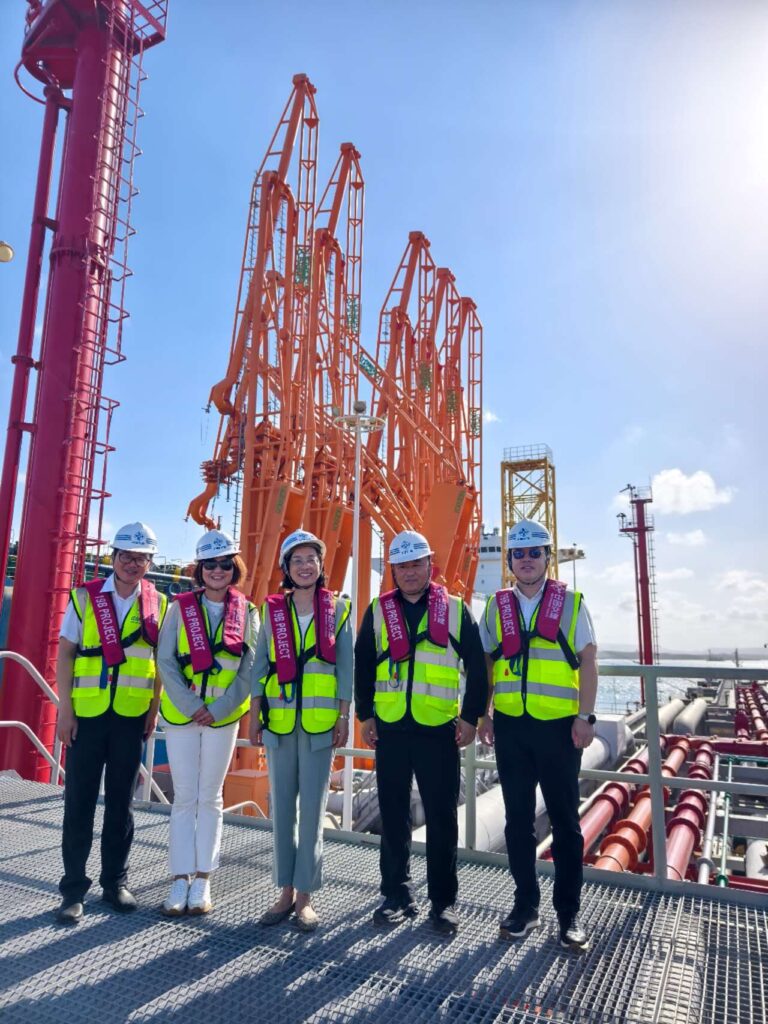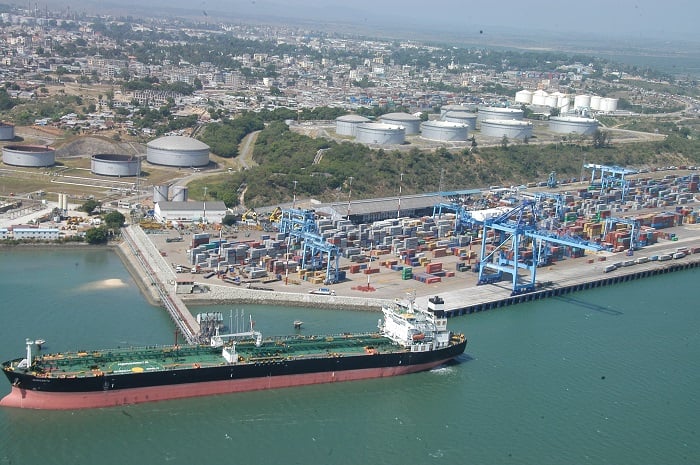
Kenya’s energy sector is experiencing a transformative leap forward, thanks to strategic cooperation with China. Central to this change is the Kipevu Oil Terminal (KOT) in Mombasa, a modern, state-of-the-art facility that is redefining Kenya’s oil infrastructure, regional trade, and energy security.
Completed in 2022 by the China Communications Construction Company (CCCC), the Kipevu Oil Terminal represents a $353 million investment in Kenya’s future. Strategically located at the Port of Mombasa, opposite the Dongo Kundu container terminal, KOT replaces decades-old infrastructure with a modern facility designed for efficiency, safety, and scalability.
This terminal boasts four berths, capable of handling multiple vessels simultaneously including dedicated berths for petroleum products and liquefied petroleum gas (LPG). By reducing vessel waiting times and streamlining fuel handling operations, KOT enhances Kenya’s capacity to meet domestic energy needs while supporting exports to neighbouring East African countries.
KOT is more than a national asset; it is a regional energy hub. Its advanced infrastructure fosters smooth importation and exportation of petroleum products, boosting trade connectivity across East Africa. For countries like Uganda, South Sudan, and Tanzania, this means a more reliable energy supply, strengthening regional economic stability and integration.
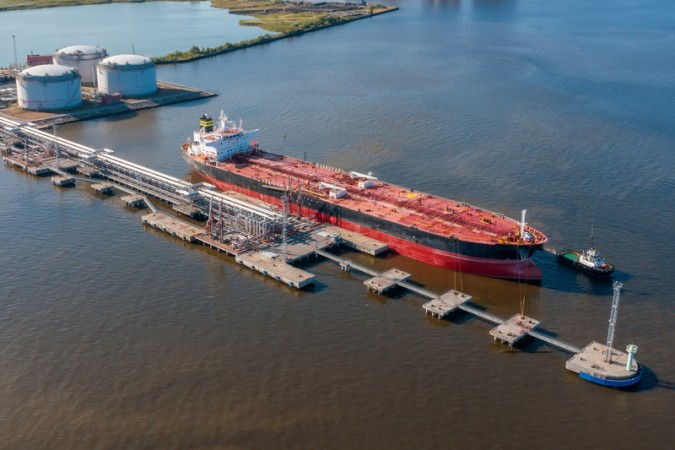
What makes Kipevu stand out is not only its technological sophistication, but also the collaboration behind it. Chinese engineers and project managers brought decades of experience in oil infrastructure development, while Kenyan teams gained practical training in operations, maintenance, and safety standards. This knowledge transfer ensures Kenya can operate the terminal independently and sustainably, building local capacity and expertise within the oil sector.
The economic impact of KOT is substantial. Modern oil handling facilities attract investment, generate jobs, and stimulate related industries such as transport, logistics, and manufacturing. Communities around Mombasa benefit from improved infrastructure, including roads, storage facilities, and energy access, enhancing both quality of life and economic opportunity.
Kipevu Oil Terminal also exemplifies a commitment to environmental sustainability. Advanced safety and pollution-control measures minimise environmental impact, aligning with Kenya’s sustainable development goals. The project serves as a blueprint for responsible, modern energy infrastructure across Africa.
The Kipevu Oil Terminal is merely the beginning. With ongoing collaboration, Kenya plans to expand capacity, accommodate larger vessels, and increase storage to meet rising domestic and regional demand. China-Kenya cooperation continues to foster innovation, efficiency, and economic growth in the energy sector, positioning Kenya as a leading energy hub in East Africa.
The Kipevu Oil Terminal is more than just a project; it is a symbol of strategic partnership, modern infrastructure, and shared prosperity. Kenya and China are setting a compelling example of how international collaboration can transform energy, trade, and regional connectivity.