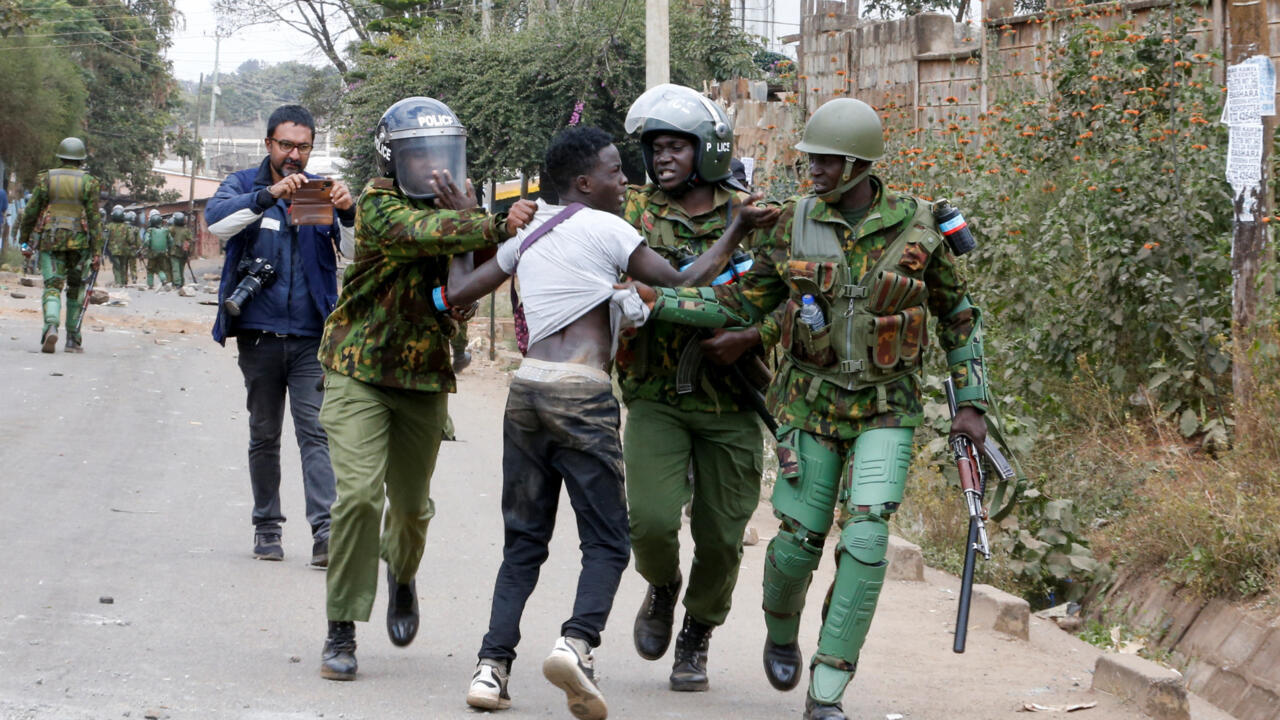
A parliamentary committee has backed the use of technology to monitor police conduct in maintaining law and order while urging the Independent Policing Oversight Authority (IPOA) to strengthen its oversight mechanisms ahead of the 2027 General Election.
Members of the National Assembly Departmental Committee on Administration and Internal Security, however, questioned the effectiveness of current policing strategies, citing rising violence, alleged inaction by officers and gaps in the adoption of modern surveillance tools.
The concerns were raised during a joint meeting between the IPOA Board and the committee at Sarova Whitesands Beach Resort in Mombasa.
Narok West MP Hon. Gabriel Tongoyo, who chairs the committee, set the tone of the meeting challenging IPOA to clarify its position on the deployment of emerging technologies such as drones and body cameras in policing.
“From where you sit as IPOA, what is your position on the intended use of body cameras and drones by the police?” Tongoyo posed, signalling the committee’s interest in leveraging technology to enhance accountability.
Teso North MP Hon. Oku Kaunya, however, cautioned that while drones could be useful in organised crime and planned operations, their effectiveness in spontaneous attacks remained limited.
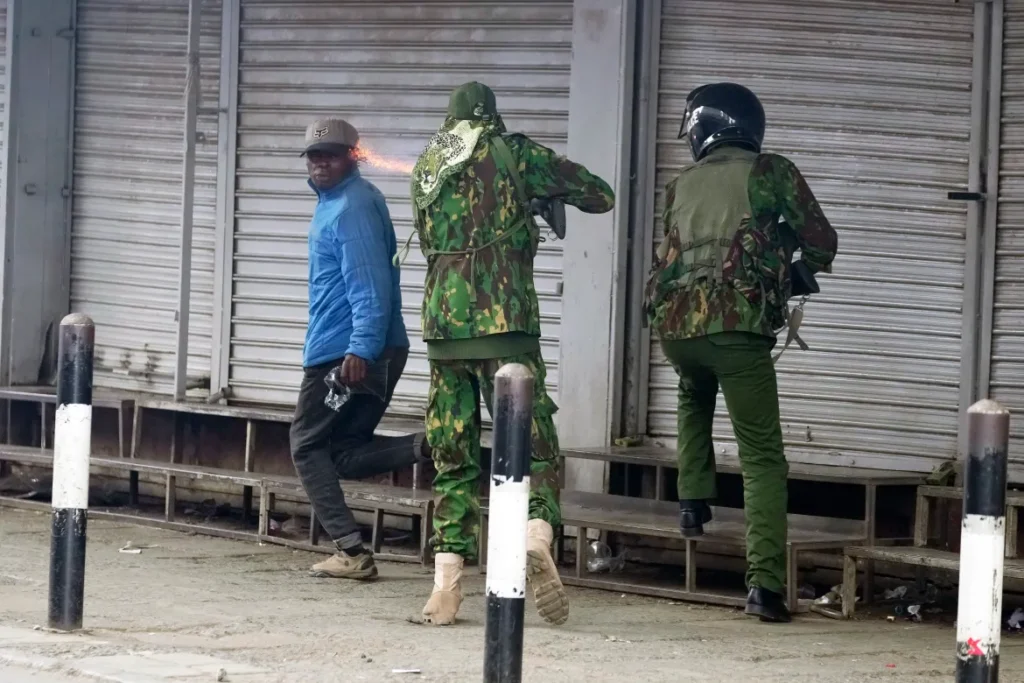
“In cases of organised criminal activity, drones can be deployed effectively to identify what is happening. But in isolated incidents, such as goon attacks, by the time you deploy a drone, the damage has already been done,” Hon. Kaunya said, urging a balanced approach between predictive and reactive policing.
Nakuru Woman Representative Liza Chelule emphasised the need for foresight as the country approaches the 2027 General Election, urging IPOA to provide projections that can guide preparedness.
“What is not coming out clearly is what you predict will happen before and after the 2027 elections. This is the only way we can prepare and mitigate. I support the use of technology, but we must know where the risks lie and who is most affected,” she said.
Homa Bay Town MP Hon. Peter Kaluma raised concerns over the compensation process for victims of police brutality, warning that lack of proper auditing could open the door for fraudulent claims.
“For Kenyans, once they hear there is money somewhere, we risk having people who were not injured benefiting instead of the real victims. How actively is IPOA involved in verifying those who should be compensated?” Kaluma asked.
He also questioned how oversight mechanisms such as drones could be balanced with the need for police to act decisively in volatile situations.
“We must balance human rights with necessary police intervention to save the state. If officers feel constantly watched, we risk creating police lethargy in situations where action is required,” he added.
Hon. Kaluma further recounted personal experiences of alleged police inaction during violent attacks, claiming that suspects had been arrested and later released without explanation.
“What are you doing about cases where there is clear inaction by the police? This is a serious concern, even for members of this committee,” he said.
In response, IPOA Chief Executive Officer Elema Halakhe attributed fluctuations in policing activity largely to the intensity of political engagements, noting that heightened political activity often correlates with increased confrontations between police and the public.
“The reduction in incidents is largely due to reduced political activity. As we approach the campaign season, we anticipate an increase in such encounters,” Halakhe said.
On compensation, he clarified that IPOA plays a supportive role by providing verified data to relevant agencies.
“We have already submitted a verified list of deaths and injuries for consideration. The process is ongoing, subject to consent from victims’ families,” he said.
Halakhe also acknowledged growing concerns over delayed police response in critical situations.
“We are increasingly seeing instances where police fail to act in time. Whether this is due to fear of accountability or failure of command responsibility is something we are investigating,” he noted.
The discussion also turned to the use of force by police officers, Saku MP Hon. Dido Rasso questioning how IPOA defines “legitimate use of force” in an increasingly charged political environment.
Rasso, who is the vice-chairperson of the committee, warned that Kenya’s electoral history suggests heightened tensions in 2027 due to incumbency dynamics, potentially leading to increased protests and police engagement.
“What is your projection based on this history?” he posed, adding that leadership—both political and institutional—must take responsibility to prevent chaos.
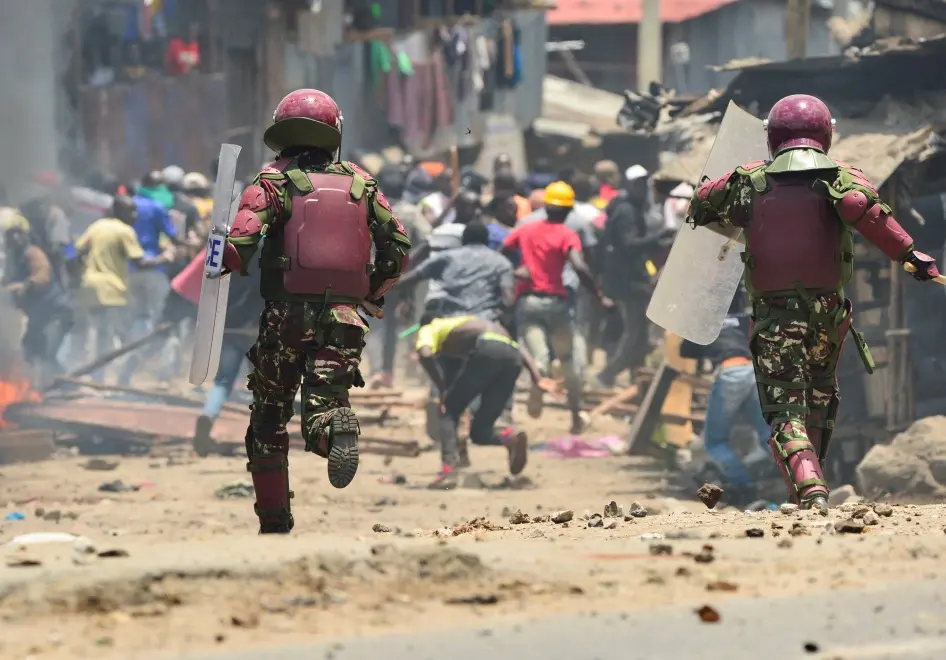
IPOA officials acknowledged the concern, revealing that the authority is already modelling election-related scenarios based on past trends to improve preparedness.
“We are studying historical patterns and projecting possible outcomes to better prepare,” Halakhe said, adding that police must act decisively where leaders incite disorder.
IPOA Commissioner Dr. Annette Mudola Mbogo defended the selective use of drones, emphasising that the technology is best suited for planned public order situations.
“In cases where events are planned, drones can provide effective monitoring. However, we must develop a clear framework that addresses data protection and surveillance concerns,” she said.
She added that IPOA supports the adoption of body cameras, CCTV systems and digital recording tools within police stations to strengthen evidence collection and accountability.
“These technologies make it more difficult to manipulate evidence and improve the integrity of investigations,” she said, noting that uptake within the National Police Service remains slow.
However, Commissioner Kenwilliam Nyakomitah dismissed claims that IPOA oversight was hindering police operations, insisting that officers acting within the law have nothing to fear.
“If an officer uses force lawfully, there should be no fear. Many cases we review do not even proceed because the use of force is justified,” he said.
He, however, urged the public and leaders to formally report cases of police inaction to enable IPOA to intervene.
“If cases are not reported to us, it becomes difficult to establish whether there was inaction or not,” he explained.
IPOA Director of Inspections, Monitoring and Preventive Services Munene Mugambi revealed that the authority is exploring the use of drones, though cost remains a major challenge.
“This technology does not come cheap. One drone costs about Sh3 million. Deployment will be intelligence-led, based on anticipated risks,” he said.
He added that drones would not only help detect misconduct but also document and commend good policing practices.
“It is not just about fault-finding. It is also about recognising officers who conduct themselves professionally, based on clear evidence,” Mugambi said.
The meeting comes amid heightened scrutiny of police conduct and growing calls for reforms to ensure a balance between enforcement of law and protection of human rights, especially as the country inches closer to another election cycle.