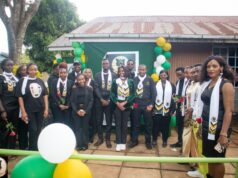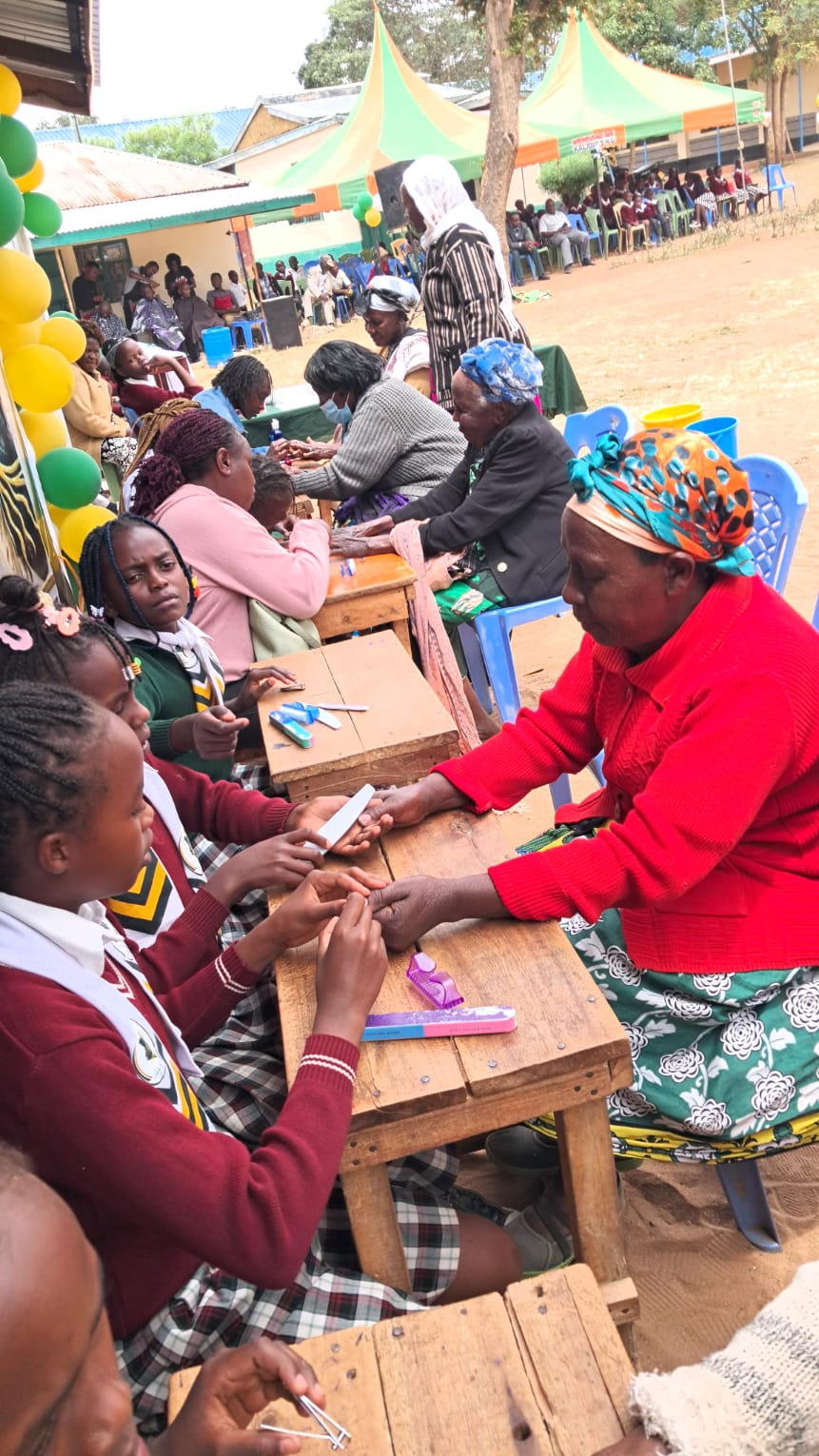
KALAWA, Makueni — There was something striking about seeing children and older people gathered together in Kalawa on August 15.
They were not simply sharing the same space. They were serving one another, talking, laughing and spending time together—a simple interaction that is becoming increasingly important as generations find fewer opportunities to connect.
The gathering at Ngiluni Small Home for the Abled Differently was part of Roots & Wings: Reimagining Community, an intergenerational initiative that brought children and older people together for a day centred on care, dignity and human connection.
The idea was simple: older people represented the roots—the generation that came before—while children represented the wings, the generation that will carry communities forward.
But the organisers wanted the children to experience something beyond the usual narrative of giving as charity.
According to Wangari Waciuri, founder of Daughters of the Nation, younger generations need to understand that there is honour in giving, and that service is not simply about what one receives in return.
«“The younger generations need to be taught the honour that comes with giving and not just receiving,” Waciuri said.»
For her, that lesson also extends to something that costs nothing.
“Just sitting with elderly people is a priceless gift to them,” she said.
That idea was central to Roots & Wings. The more than 100children present in Kalawa merely to witness the challenges faced by older people. They were given an opportunity to spend time with them, serve them and experience the value of simply being present.
Older people, in turn, were not treated merely as recipients of assistance.
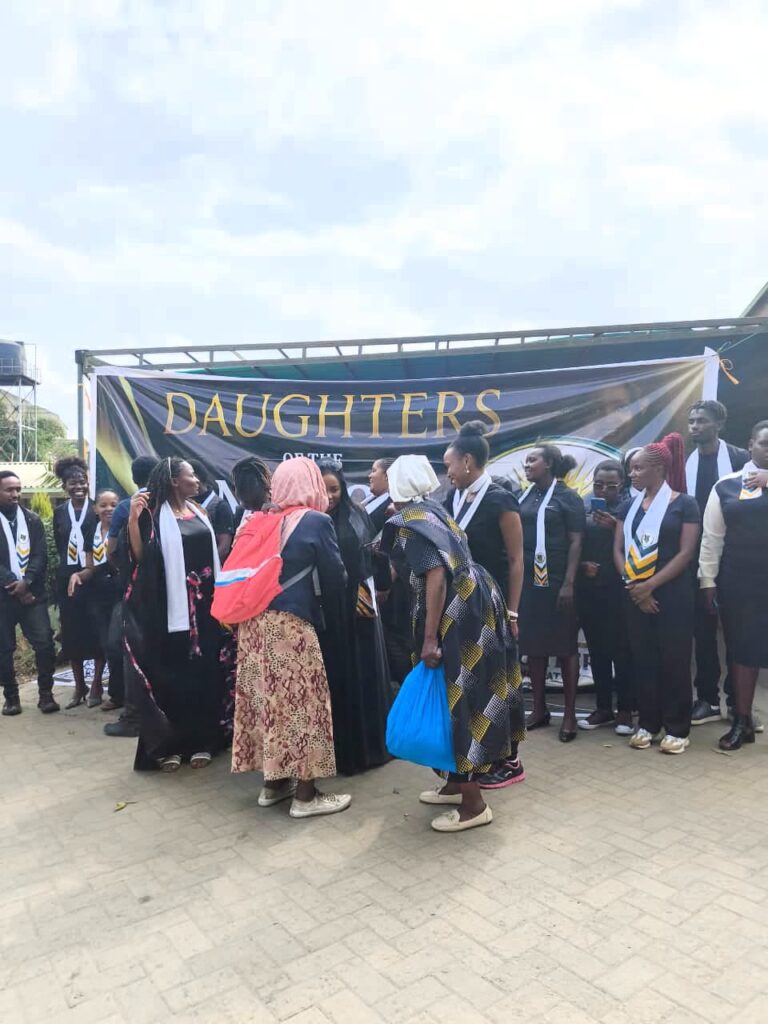
They were welcomed, attended to and celebrated.
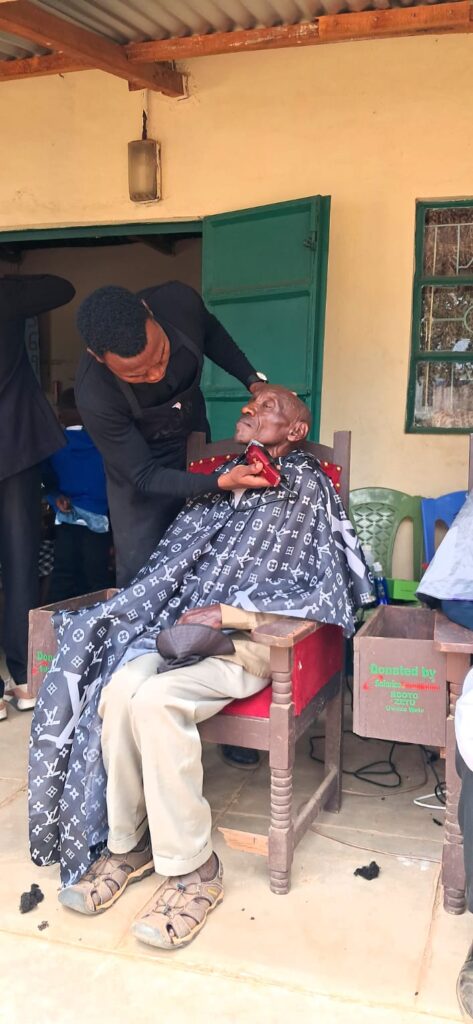
Among the services offered during the day was grooming, which became one of the most sought-after activities. Organisers estimated that about 250 older people sought grooming services.
For many, the experience went beyond having their hair or appearance attended to. It was an opportunity to be cared for and, perhaps just as importantly, to feel seen.
Volunteers also offered health-related attention, while food and other forms of care were provided throughout the day.
But the most significant part of the gathering may have been the interaction itself.
Children sat with older people. Conversations crossed generations. Time was spent together without requiring anything more complicated than presence.
For Waciuri, this is an important part of how communities can rethink the way they care for older people.
The Assistant County Commissioner for Kalawa, Mr Joshua Onyith, also pointed to the reality facing many older people in the area.
He noted that many elderly people have been forgotten and neglected, making community-based interventions increasingly important.
Onyith said initiatives such as Roots & Wings were helping government officers confront the problem in a practical way—by bringing attention and services directly to the older people within the community rather than leaving the responsibility entirely to institutions.
The partnership between daughters of The Nation and government officials therefore became an important part of the day.
Local administration played a role in mobilising older people from the surrounding community, helping bring together a large number of elderly residents for the gathering.
The result was not a policy conference or a discussion about ageing.
It was something much more immediate.
People showed up.
They sat together.
They ate together.
Children served older people.
Volunteers offered their time and skills.
And older people had a day in which attention was directed towards them—not because they had to ask for it, but because someone had decided that they mattered.
That distinction is important.
The conversation around older people often focuses on material needs: food, healthcare, shelter and financial support. Those needs are real, but dignity also has a social dimension.
There is value in being remembered.
There is value in being listened to.
There is value in having someone sit beside you without needing anything from you.
And there is value in teaching children that giving their time, attention and skills can be as meaningful as giving material things.
Kalawa offered a practical demonstration of that idea.
The “roots” were not simply people who had lived before the current generation. They were people whose lives had helped shape the communities that exist today.
And the “wings” were not simply children being prepared for the future. They were young people being given an opportunity to understand that the future they inherit is connected to the people who came before them.
For one day, the generations met.
Not through a formal programme or a policy document, but through ordinary acts of care.
A conversation.
A grooming session.
A shared meal.
A child sitting beside an older person.
A volunteer giving their time.
Sometimes, those seemingly small things are precisely what make a person feel that they have not been forgotten.
And in Kalawa, the message was simple: a community cannot truly move forward if it forgets the people who helped build the road.